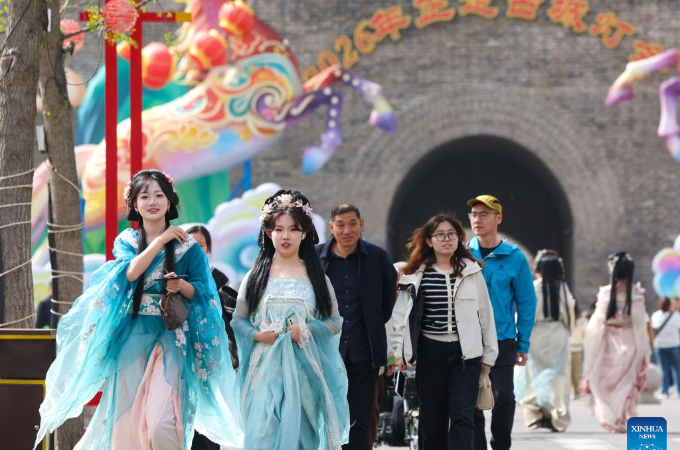
Young travelers honor historical figures during Qingming
Source: China Daily | 2026-04-07 | Editor:Jennifer
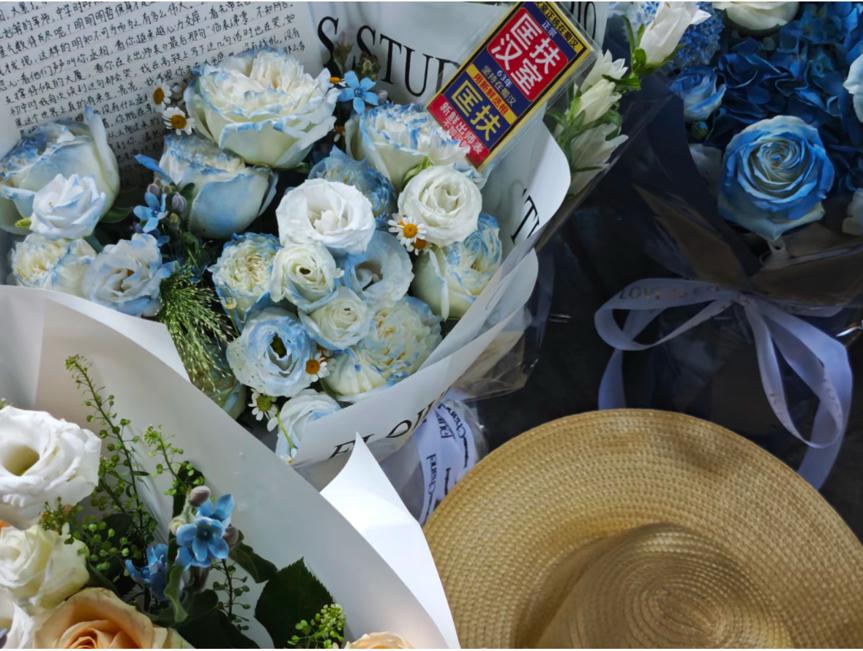
Fan Dian, a 20-year-old student from Kunming, Yunnan province, brings flowers, handwritten letters, and carefully chosen gifts to Zhuge Liang's tomb during this year's Qingming Festival. [Photo by Fan Dian/For chinadaily.com.cn]
During this year's Qingming Festival, a growing number of young people are choosing to travel across the country to visit the tombs of historical figures.
In cities such as Luoyang, Xi'an, and Jingzhou, which are home to many tombs, visitors have been seen carrying flowers, handwritten letters, and carefully selected symbolic gifts.
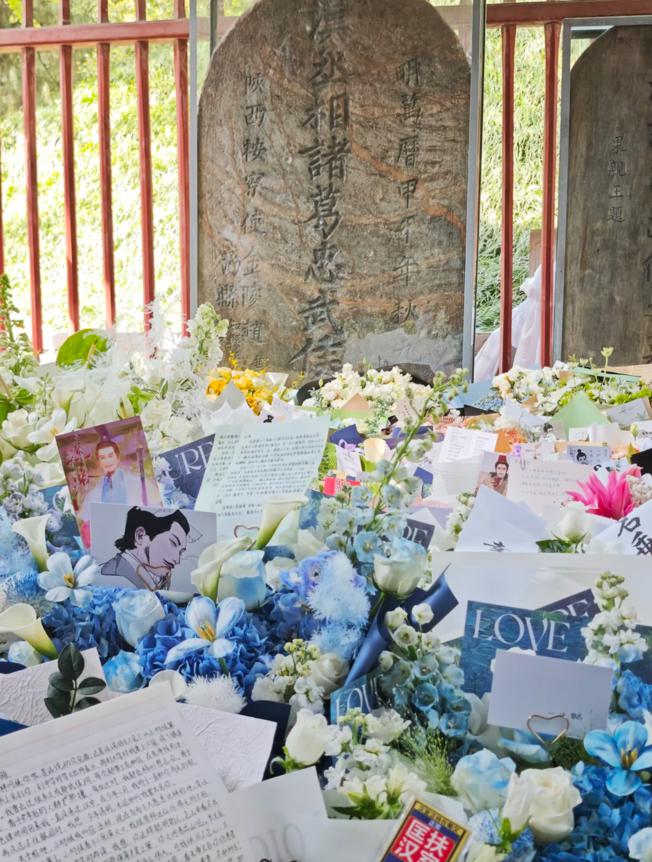
Visitors bring thematic gifts to Zhuge Liang's tomb in Shaanxi to pay tribute to the legendary strategist. [Photo by Fan Dian/For chinadaily.com.cn]
For Fan Dian, a 20-year-old student from Kunming, Yunnan province, the experience was emotional and immersive. When she visited Zhuge Liang's tomb in Shaanxi province, she found herself among crowds of young people, many holding gifts linked to the ancient strategist's life and legacy.
It was not her first such journey. Since becoming fascinated with the writings of Cao Pi, the poet-emperor and founder of the Wei Dynasty (220–265), in 2024, Fan has made a habit of visiting the resting places of historical figures. "Standing on land he once walked thousands of years ago feels completely different from reading about him in books," she said. "I was hooked after that."
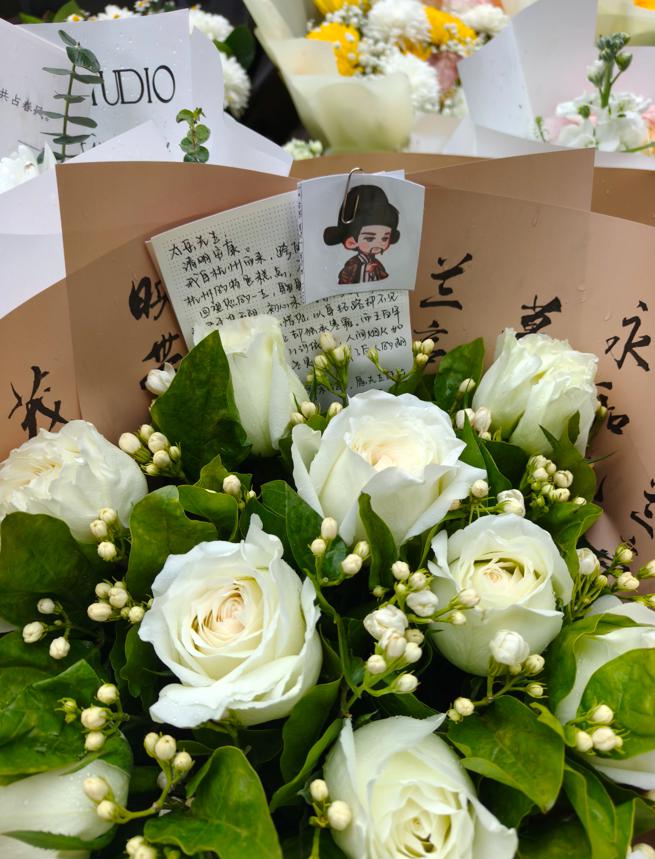
Youths visit Zhang Juzheng's tomb in Jingzhou, Hubei province, and leave tributes to the minister and reformer of the Ming Dynasty (1368–1644). [Photo by Zhang Chengxiaoya/For chinadaily.com.cn]
On this year's trip, she brought soil from Luoyang, once an ancient capital, to Zhuge Liang's tomb to honor his long-held wish to return there.
Fan is part of a broader trend in which young people are reimagining how to connect with the past.
Online posts show visitors leaving ibuprofen at the tomb of Cao Cao to "relieve" his well-known headaches, bringing wine to the Tang Dynasty (618-907) poet Li Bai, or placing snacks at the grave of the young general Huo Qubing, who died at 24.
For Zhang Chengxiaoya, 19, repeated trips from Wuhan to Jingzhou, both in Hubei province, to visit the tomb of Ming Dynasty (1368-1644) reformer Zhang Juzheng have come to feel like meeting an old friend. This year, she wrote a letter that read like an everyday conversation. "He's no longer just a figure in a textbook," she said.
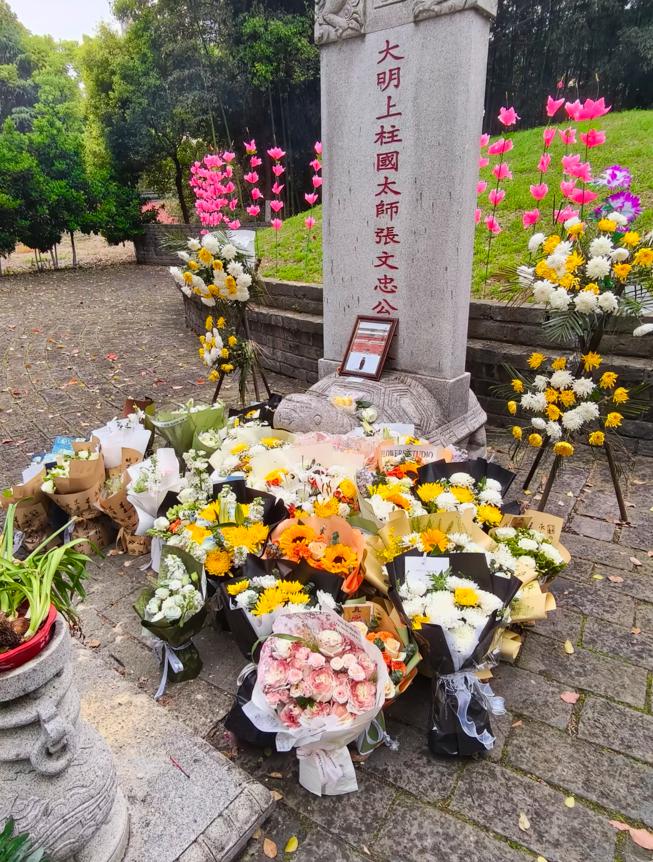
Youths visit Zhang Juzheng's tomb in Jingzhou, Hubei province, and leave tributes to the minister and reformer of the Ming Dynasty (1368–1644). [Photo by Zhang Chengxiaoya/For chinadaily.com.cn]
Such practices are becoming more visible around Qingming and other holidays, particularly in cities with rich historical heritage like Xi'an and Luoyang. Some travelers map out multi-stop itineraries centered on ancient tombs, reflecting a growing form of culture-driven tourism.
Social media and online communities built around historical figures are helping drive the trend, drawing young audiences from short videos and internet fandom toward biographies, historical records, and real-world sites.
For many, these journeys offer a way to make history feel tangible, intimate, and alive.
"Every visit feels like extending a life," Fan said. "As long as someone is still remembered, maybe that is a kind of eternity."
Zheng Jinran contributed to this story.